

Burgundy red wine
15 products

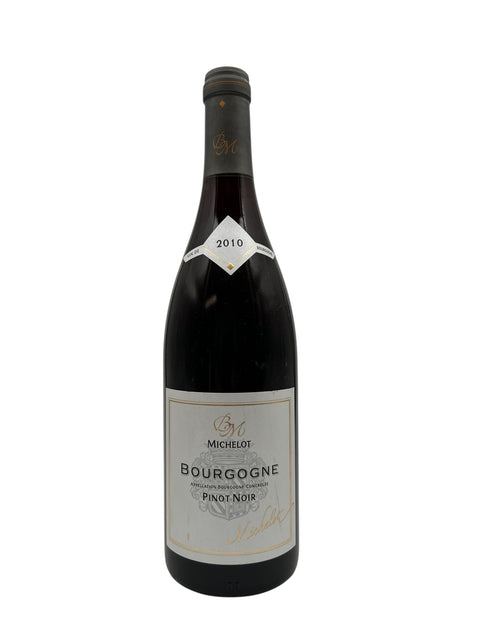


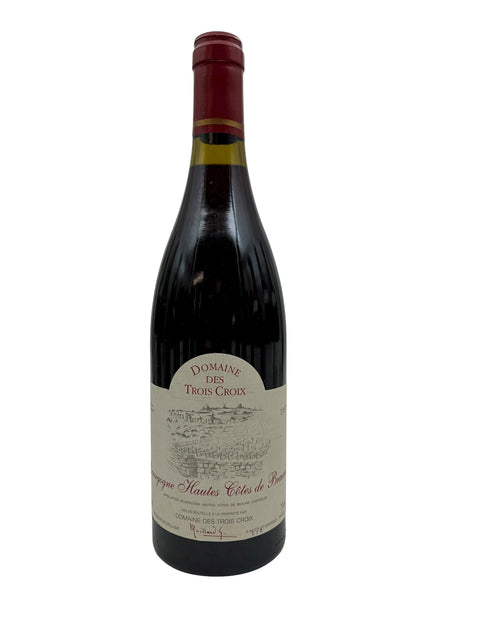
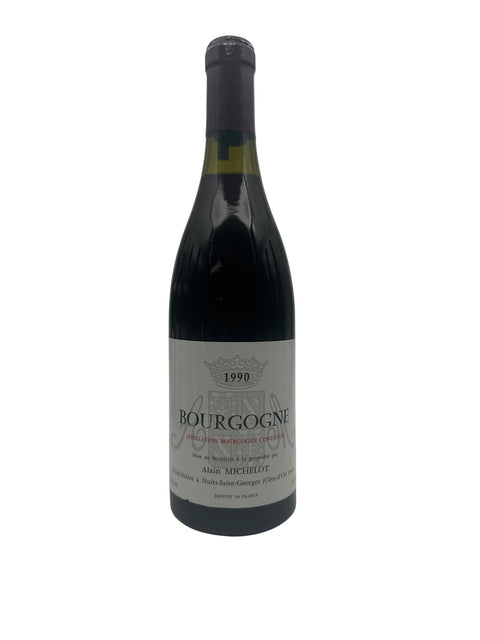


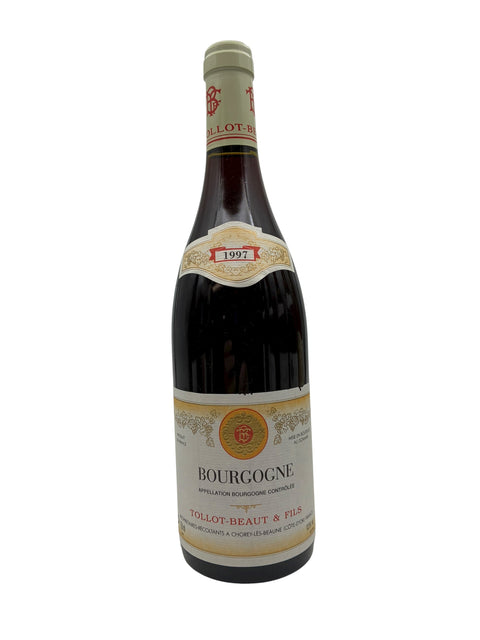
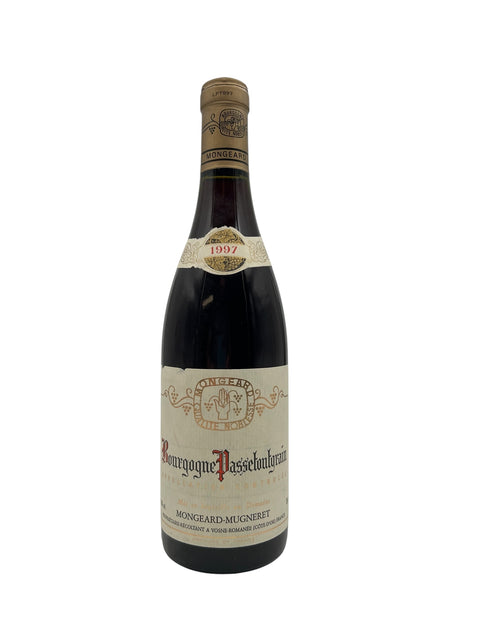
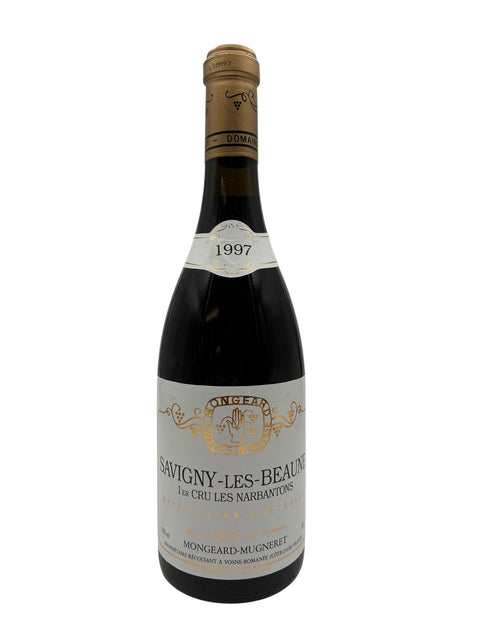
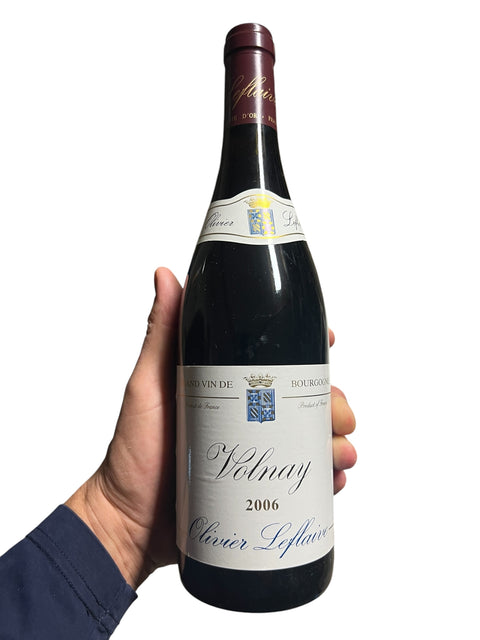
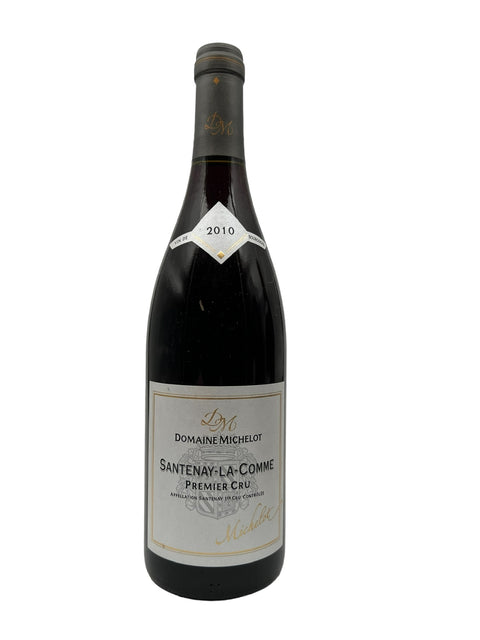
Characteristics of a mature Burgundy red wine
When a classic Burgundy red wine is allowed to age for more than two decades, both structure and flavour undergo a beautiful transformation. The youthful and primary fruit notes of cherry and strawberry slowly recede into the background, allowing a deeper and more composed profile to unfold. However, the wine’s high, natural acidity continues to act as a backbone that keeps it lively and harmonious even after many years. It is precisely this balance between the acidity and the fully mature flavour nuances that gives you a delicate and almost ethereal experience when the wine is poured into the glass.
Time in the cellar also leaves its clear mark on the wine’s texture and appearance. The original ruby-red colour gradually lightens and shifts to pale garnet-red and brick-coloured tones, often framed by a beautiful amber-golden edge. At the same time, the tannins come together over the years, softening the wine and replacing any drying sensation with a silky-soft and velvety mouthfeel. In beautiful interplay with the mature aromas, this creates the rounded and elegant finish that is so characteristic of older vintages from this historic French district.
How an older red Burgundy develops
When a classic red Burgundy is allowed to develop over decades, a number of completely natural chemical and physical changes take place. This maturation process helps shape everything from the way the wine presents itself in the glass to the final taste experience.
Colour and visual signs
In its young years, the colour most often appears light and lively ruby red, but through slow oxidation the expression changes noticeably over time. Over the years, the red colour pigments bind to the tannins and quietly sink to the bottom as a fine, dark sediment. It is this process that causes the wine to lighten and change its visual character.
This results in a transition to deeper garnet-red and brick-red shades, which can especially be seen at the rim of the glass. If the wine is very old, the colour will often appear slightly transparent with warm tones of rust or amber. The heavy sediment that collects at the bottom of the bottle is simply a natural and expected sign of the wine’s great age and long maturation.
Complexity in the aroma
After many years of rest in the bottle, the fresh berry notes are replaced by what in the wine world are called tertiary aromas. The limited amount of oxygen that slips in under the cork slowly causes the original chemical compounds to break down, creating new and exciting aromatic traces. Instead of the original, fresh fruit notes, one will therefore often be able to smell dried fruits and withered flowers.
One of the most characteristic changes is the deep, earthy aromas that emerge. Notes of forest floor, damp earth, and withered autumn leaves become more pronounced. During the long chemical development, fine nuances of truffle and mushrooms are likewise formed, which together with hints of leather and dried spices give the wine an incredibly fascinating and multifaceted aroma profile.
Changes in structure and flavour
Although the pinot noir grape naturally has thinner skins and a lower content of tannins than many other grapes, these substances still play a completely central role in the wine’s development. As the decades pass, the small tannin molecules bind together in longer chains. This removes the astringent sensation and leaves a texture that feels pleasantly round and velvety soft in the mouth.
At the same time, it is the wine’s naturally high acidity that ensures the preservation of its freshness. As the fruit flavour slowly moves into more dried and spiced notes, the acidity acts as the firm backbone that holds the wine up and prevents it from seeming flat or heavy. It is precisely this interplay between the rounded tannins, the fresh acidity, and the fully mature flavour notes that creates the harmonious and deep taste experience one finds only after long ageing.
Proper storage of our historic vintage wines
For a historic wine to preserve its full potential and develop beautifully through many decades, the conditions in the wine cellar are of the utmost importance. At Bottles With History, we take great pride in guaranteeing that all our old vintages have always been treated with deep respect and have rested under the most optimal conditions.
- A constant temperature all year round, so unsuitable maturation and heat damage to the wine are avoided.
- A high and stable humidity, which prevents the cork from drying out so that too much oxygen does not enter the bottle.
- Dark surroundings, since direct sunlight and UV radiation can over time break down the wine’s delicate chemical structure.
- Vibration-free storage, which ensures that the fine sediment in the older vintages can settle completely undisturbed at the bottom of the bottle.
- A correct horizontal positioning of the bottles, where the wine is in constant contact with the cork, so it is kept tight and supple.
Steps to choosing your next French red wine from Burgundy
When you want to select a specific older French red wine from Burgundy, there are several elements that affect both the taste experience and the bottle’s overall condition. To make it easier to find exactly the right vintage or region, we have gathered some considerations that can help you make a well-considered choice.
- The vintage’s climate and weather conditions: The weather in the year in question plays a decisive role in the wine’s ageing potential. Sunny and warm vintages most often create wines with a more pronounced structure and a higher tannin content, which makes them particularly suitable for ageing over several decades. Conversely, the cooler vintages will typically result in lighter wines that offer prominent acidity and beautiful elegance.
- Classification and geographical origin: The area’s appellations say a great deal about how concentrated the wine is. Vineyards with Grand Cru and Premier Cru status produce a lower yield and have a soil structure that brings forth complex and tannin-rich wines that need a long period of maturation in the cellar. The regional wines are most often created with the intention of being drunk in their younger years.
- The condition of the bottle and cork: When buying historic wines, it is important to assess the bottle’s physical condition. The visible ullage in the bottle neck should correspond with the wine’s actual age. At the same time, the cork must sit completely flush in the bottle neck, and there must be no signs of leakage or drying along the capsule.
- History and proper storage: The wine’s entire journey from the producer to your glass is essential. If the wine has experienced an unbroken chain of temperature-controlled and professional storage, that is the absolute best guarantee that the old wine is still lively, harmonious, and free from age-related damage.
Safe and fast delivery of your mature wines
When you invest in a delicate and older wine, it is absolutely essential that the transport is carried out safely. At Bottles With History, we lovingly take care of the fragile bottles and ensure safe handling so they reach you in perfect condition. We offer next-day delivery and pack the wine in secure packaging that protects against both knocks and sudden temperature fluctuations during shipping. This way, you can confidently look forward to enjoying your historic wine, assured that it has been treated with great expertise all the way from our cellar and home to your door.
Preparation and serving of your Burgundy red wine
To get the absolute best experience from a 40 to 60 year old Burgundy red wine, gentle preparation is crucial. Begin by letting the bottle stand upright for 24 to 48 hours before it is to be served. This gives the fine, dark sediment time to collect at the bottom. Open the wine only immediately before it is to be enjoyed, as very mature wine is extremely sensitive to oxygen. If the wine gets too much air, or if it is left to decant for too long, the delicate tertiary aromas can evaporate and leave the wine flat. If you wish to decant the wine to remove the sediment, it must be done extremely carefully into a narrow decanter. Feel free to use a light source behind the bottle neck so you can stop pouring precisely when the sediment approaches the edge.
The temperature and the right choice of glass also play a major role in highlighting the wine’s fine flavour nuances. An older red wine from this area is best served at a lightly chilled temperature of between 14 and 16 degrees. If the wine becomes too warm, the alcohol can overpower the subtle notes of forest floor and truffle, while too cold a temperature will hide the complexity. It is recommended to use large, balloon-shaped glasses with a narrowed opening. The broad surface in the glass gives the wine room to release its volatile aromas, while the narrowed top acts like a chimney that directs the complex bouquet directly up to the nose.