

Wine 2005
36 products


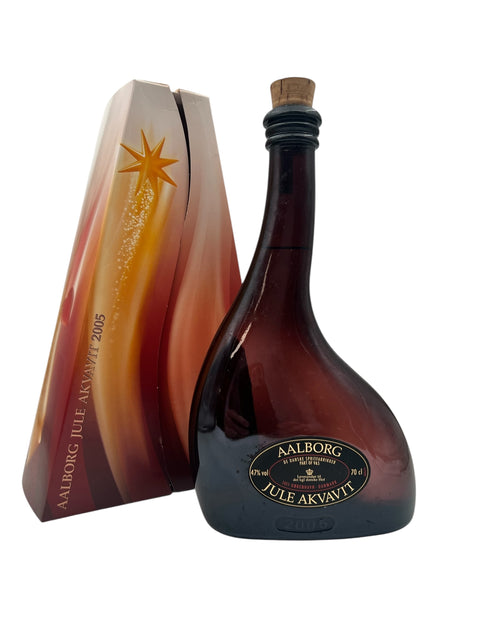
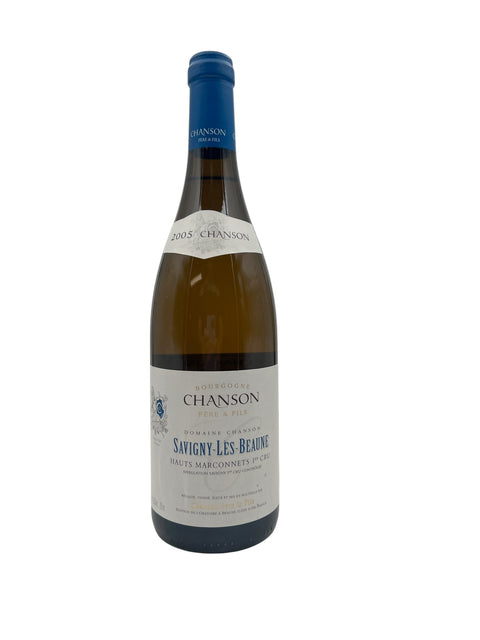
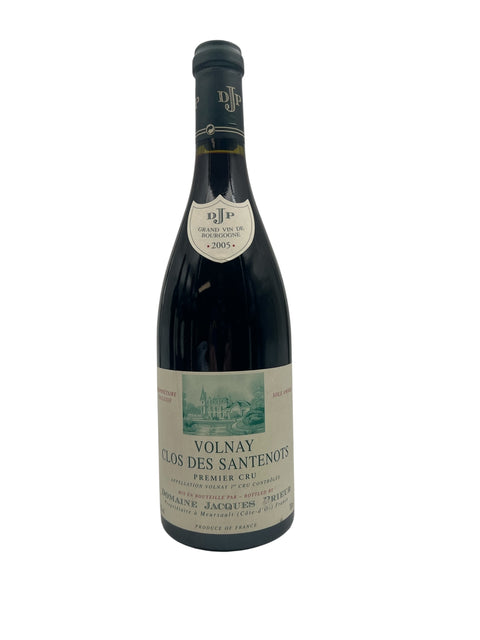

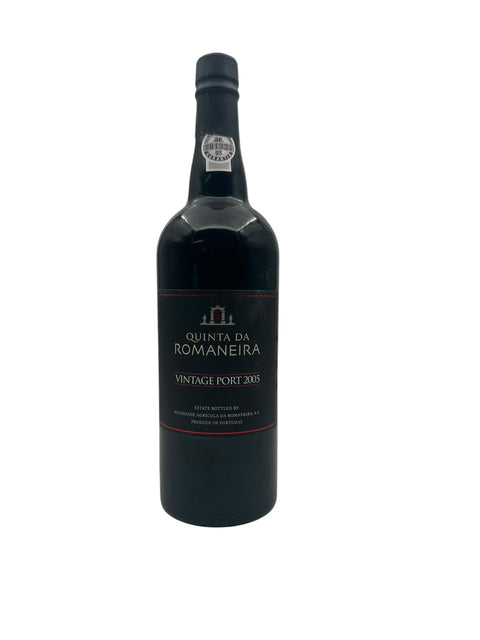
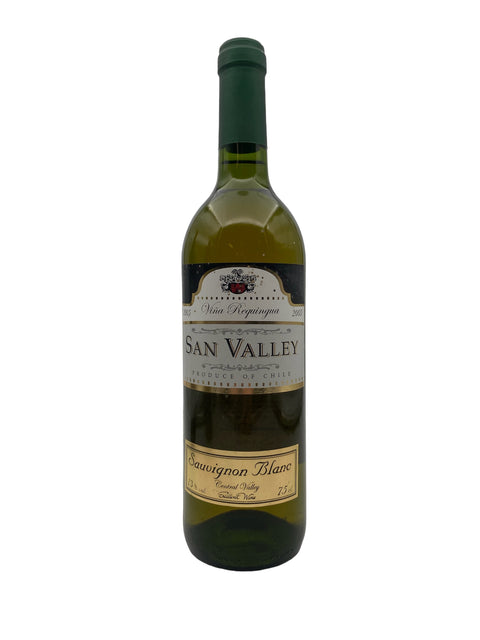
Characteristics of 2005 wines from France and Italy
When we look back at the weather this year in the classic European wine countries, a picture emerges of great climatic contrasts, which laid the foundation for the fantastic ripening potential of a wine from 2005 today. In France, the vines experienced a warm and dry season with cool nights, which resulted in small, flavourful grapes with a perfect balance between high sugar content and preserved natural acidity. Italy, on the other hand, experienced a more changeable season with a cool summer followed by rain in late summer. This gave the grapes a slower ripening process and created wines with a firm structure and a distinctive acidity profile. Over the years, these differences have shaped the wines and given them a number of wonderful characteristics.
Complex aromas: The fresh, primary fruit of youth has now unfolded into deep, tertiary nuances of cedar, tobacco, truffle and forest floor.
-
Integrated tannins: The firm and tight structure from the wine's youth is softened, leaving the tannins silky and harmonious in the glass.
Retained freshness: Even after many years, the naturally high acidity from the vintage ensures that the wines continue to be experienced as elegant and full of life.
Color development: In the glass, a shift is seen from the intense colors of youth to a deep ruby red and garnet red glow, which is often accompanied by a beautiful, brick-colored rim.
Great concentration of flavor: The French versions in particular display a rich and full-bodied texture that comes directly from the dry season and the thick-skinned grapes.
Our process for storing your wine from 2005
Preserving the soul of an older wine from 2005 requires patience and great precision. At Bottles With History, we have designed our storage with one simple purpose: to ensure that each bottle retains its full quality and fascinating history until it is opened at your table. We follow strict, high standards to guarantee that the wine’s delicate balance and nuanced aromas are protected from any form of external disturbance.
Climate-controlled environment: We let all bottles rest at a cool, constant temperature and a balanced humidity, which keeps the cork healthy and allows the wine to mature at its own slow pace.
Protection from light and vibrations: Each bottle lies safely in the dark, completely shielded from damaging UV rays and vibrations, allowing the wine's chemical balance and natural sediment to rest.
-
Thorough condition assessment: Before a bottle is included in our range, we conduct a careful visual check of its color, stopper and general condition to ensure that it meets our high standards.
Gentle and safe packaging: When your wine is delivered, we use specially designed packaging that acts as a safe shield against both temperature changes and shocks during travel.
Classic grape varieties in the vintage
This year’s historic weather has left its mark on many of the wine world’s most beloved grape varieties. For comparisons to other landmark vintages, delve into the collections of wines from 1995. As a wine ages in the cellar for decades, the grapes’ natural elements undergo a series of fascinating chemical and oxidative changes in the bottle. Let’s delve into how the most prominent grapes from the harvest have transformed into highly complex and refined experiences.
Sangiovese and its mature expressions
A classic Sangiovese from this harvest, especially from the Tuscan regions, presents itself today with an incredibly delicate and fully ripe profile. Where the red fruit was once dominant, it now steps back into the background to let deep, tertiary aromas of dried cherries, figs, leather, tobacco and forest floor take the stage. At the same time, you will see that the color has changed to an elegant garnet red hue, often accompanied by a charming, slight orange tinge.
The characteristic, sharp acidity of the Sangiovese grape has served as the wine's faithful preservative throughout the years, and today it tastes beautifully integrated. At the same time, the grape's noticeable tannins have undergone a process where they have collected and softened the wine, giving it a silky texture. This makes it a fantastic companion, especially if you serve it with older, flavorful dishes.
Nebbiolo with age
For Nebbiolo, the quiet time in the cellar has been crucial in rounding out the grape’s well-known, tight tannin structure. Over the years, the tannin molecules bind together in long chains – in a process called polymerization – after which the heaviest particles slowly settle to the bottom as sediment. This leaves you with a significantly softer and more refined mouthfeel, without the drying sensation that often characterizes the grape when young.
In the nose, the slow, microscopic oxidation over the years has created a complete transformation of the Nebbiolo wines. If you want to discover similar changes, you can also explore the wine from 2002. The fresh, primary aromas have now developed into a deep and complex bouquet, where you can instead enjoy classic notes of dried roses, truffle, licorice and coffee that dominate in the glass.
Merlot from the Old World
Unlike modern, warmer vintages, where Merlot often appears very fruit-driven and easily accessible from the start, this year was characterized by a more classic and linear structure. The Old World Merlot from this year possessed a relatively high natural acidity and a very firm tannin level, which meant that the wines needed many years of patient bottle aging to find their balance and softness.
After two decades of rest, these wines have undergone an impressive evolution. The dark, fresh fruit has been subdued, and instead complex, earthy notes, dried fruit and tea leaves emerge. Color pigments and tannins have also come together and softened the sharpness of the wine when young, which today gives you an incredibly harmonious, rounded and elegant wine experience.