

Cru wine
188 products


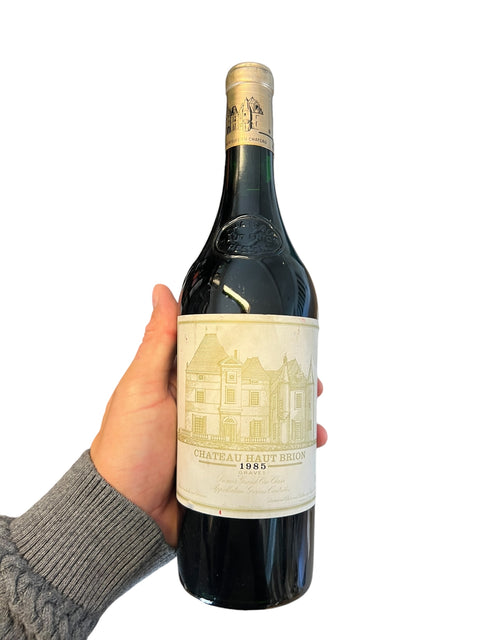


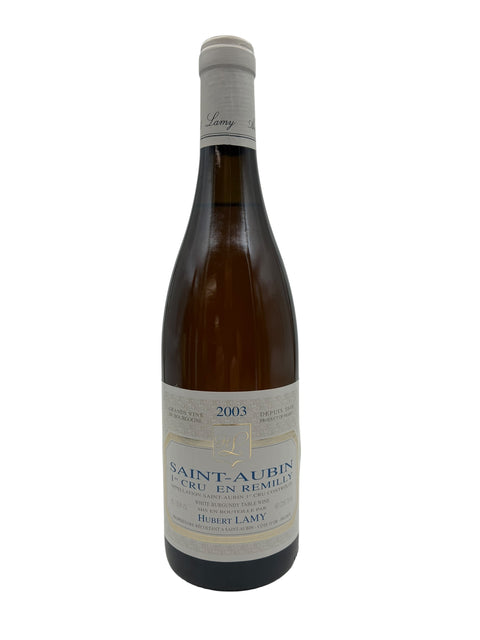


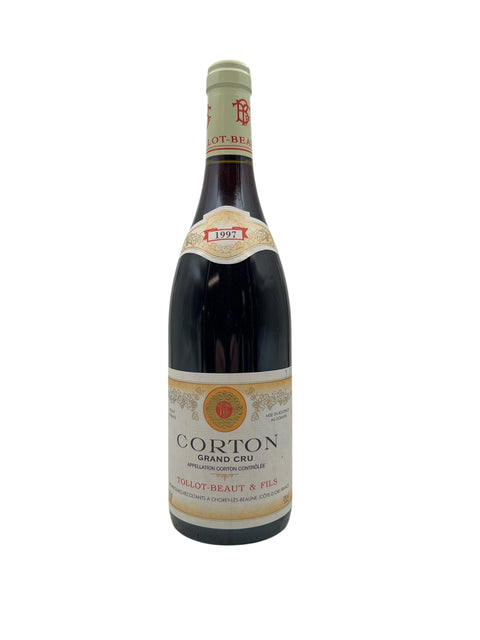
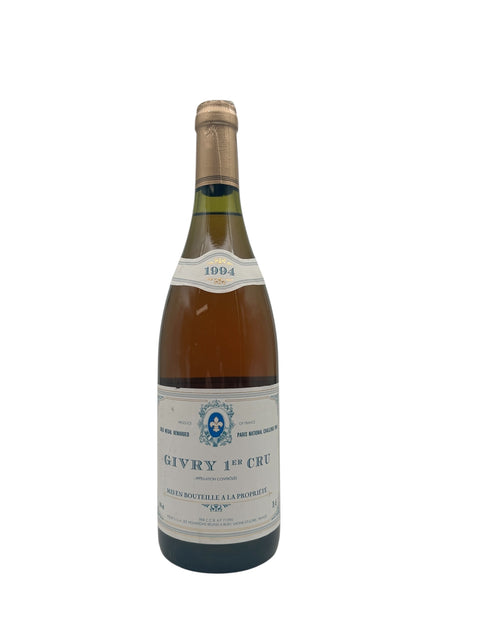
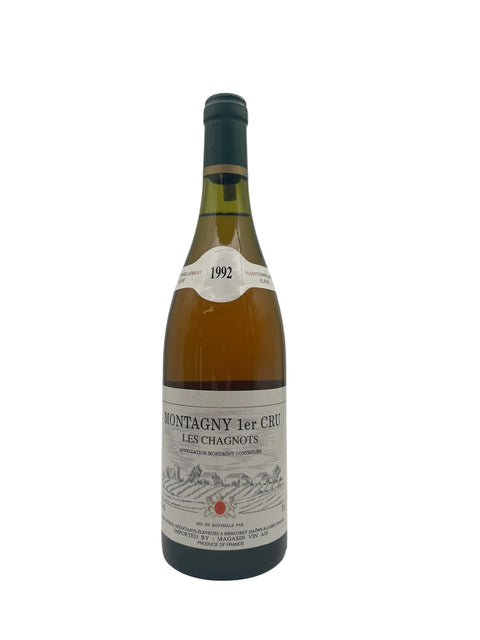
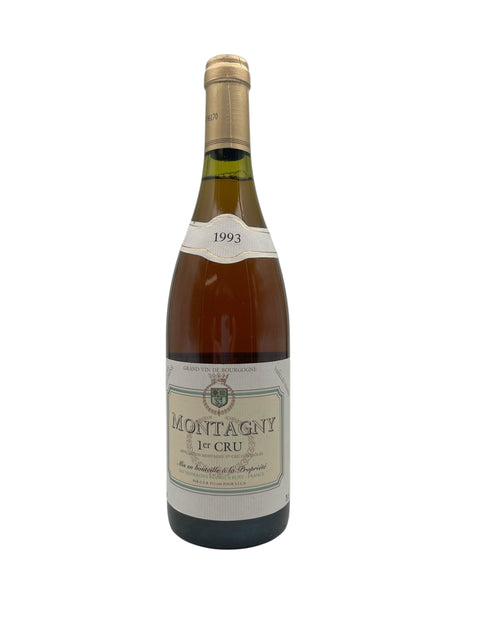
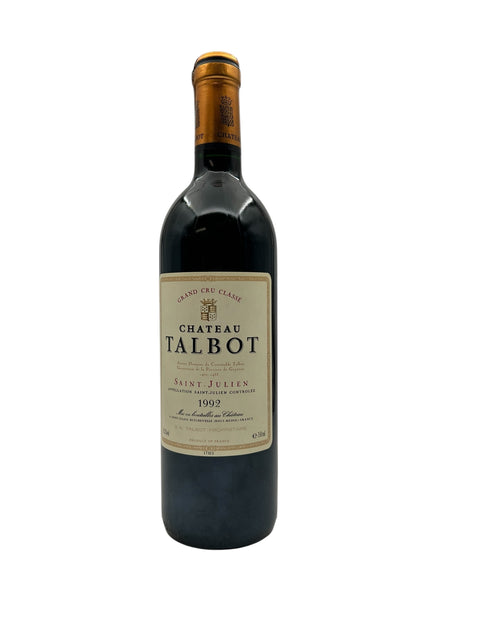

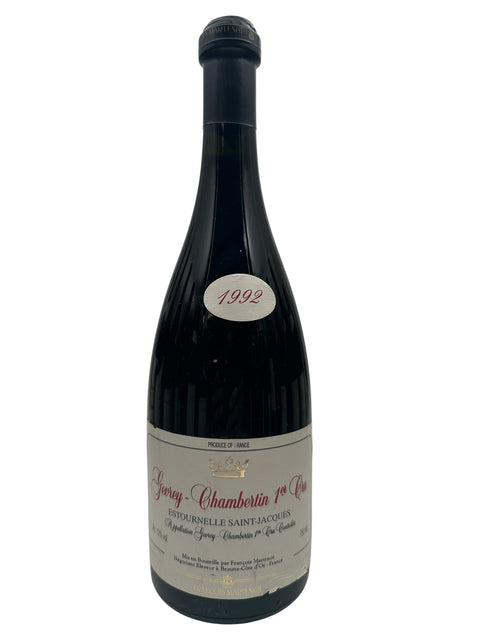
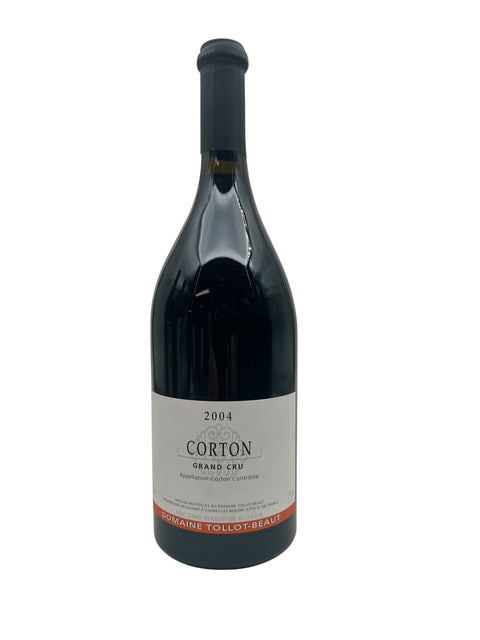
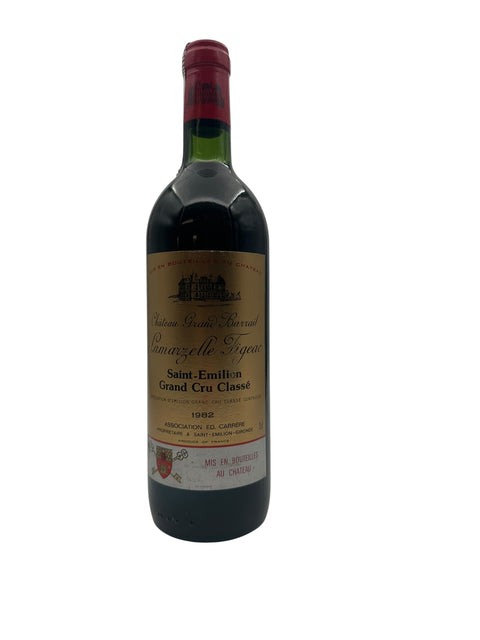
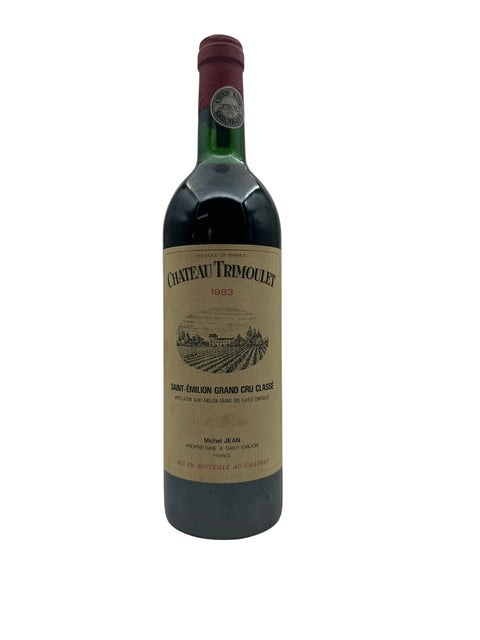
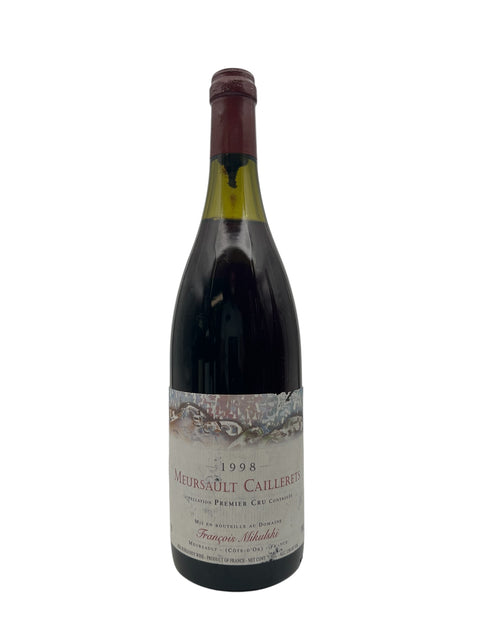
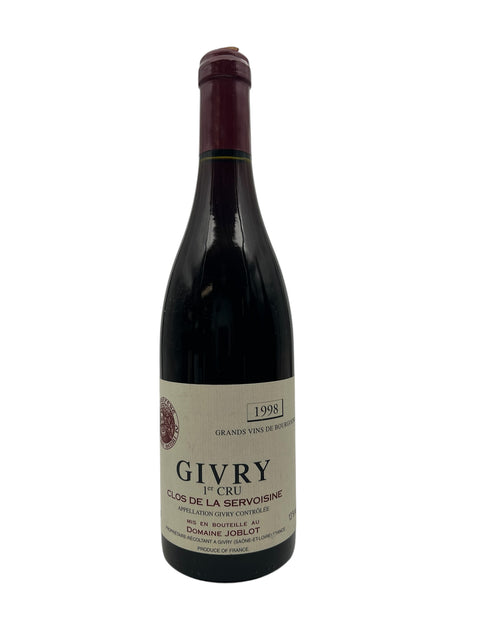
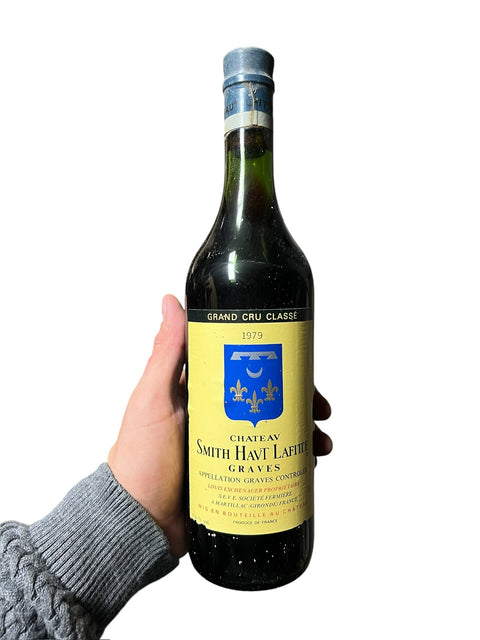
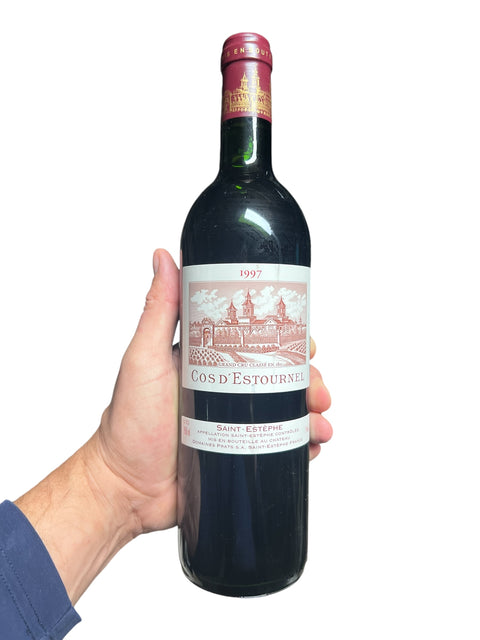


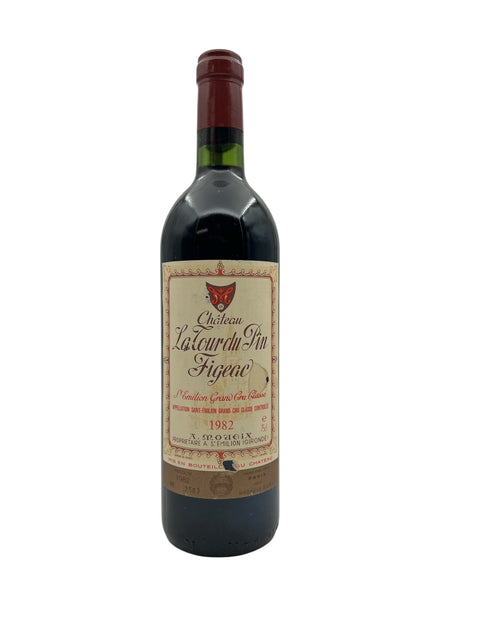
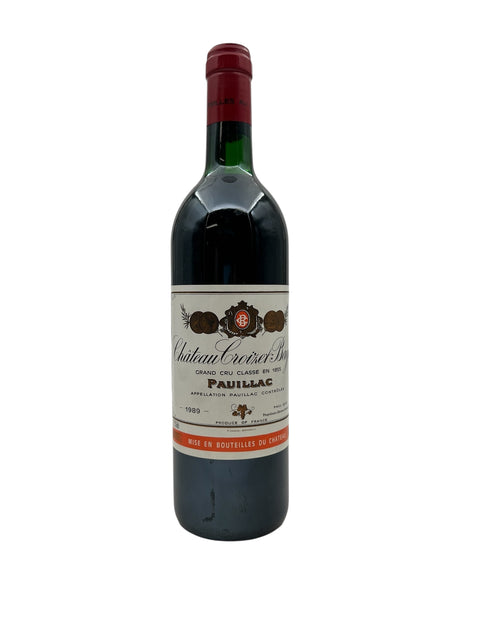
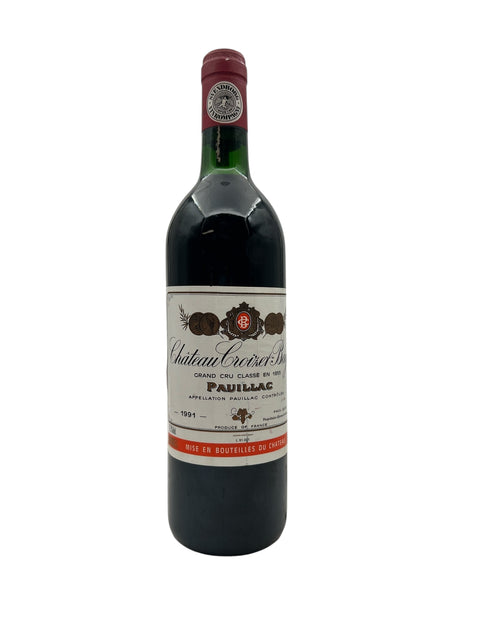
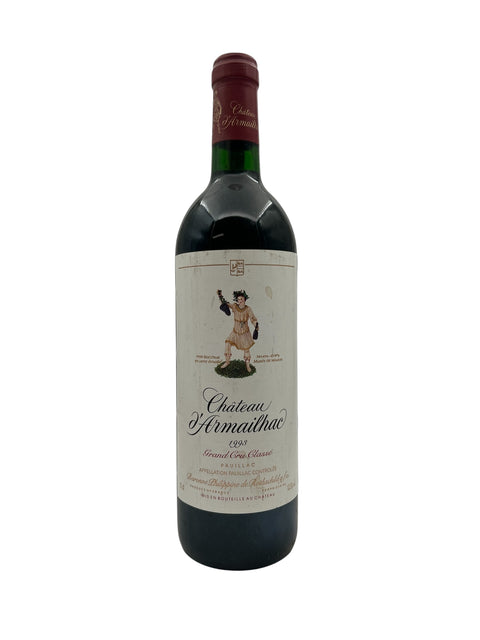
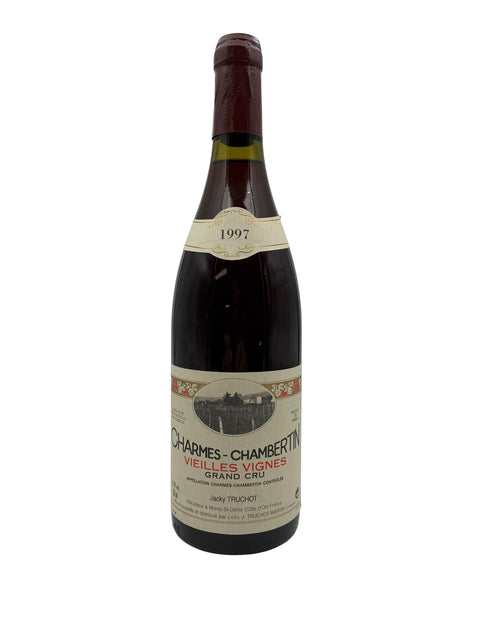
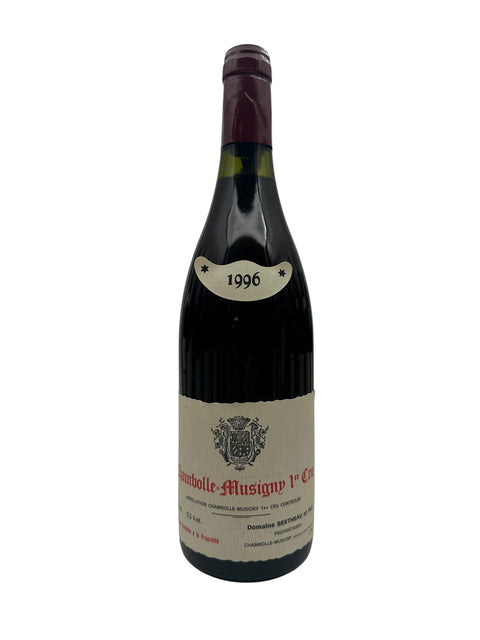
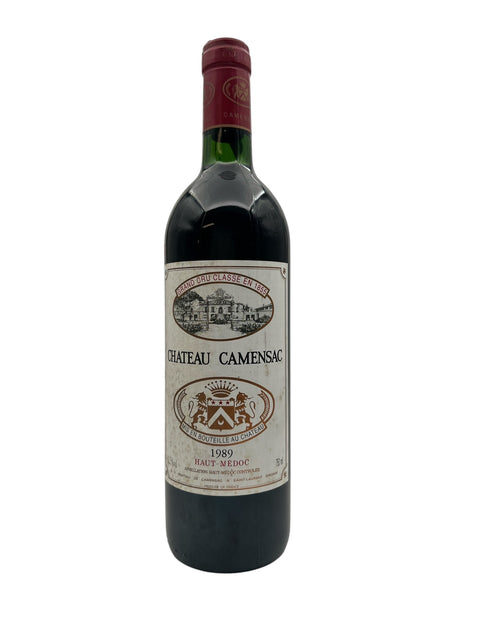
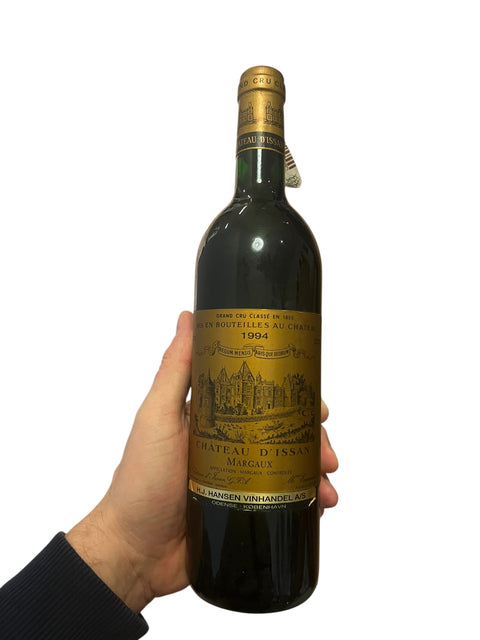
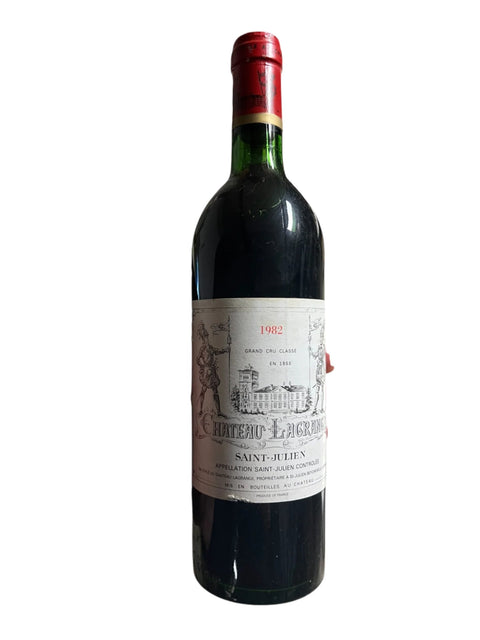
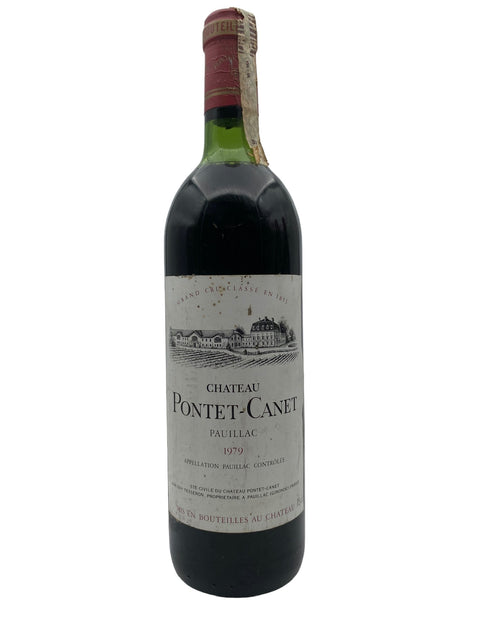


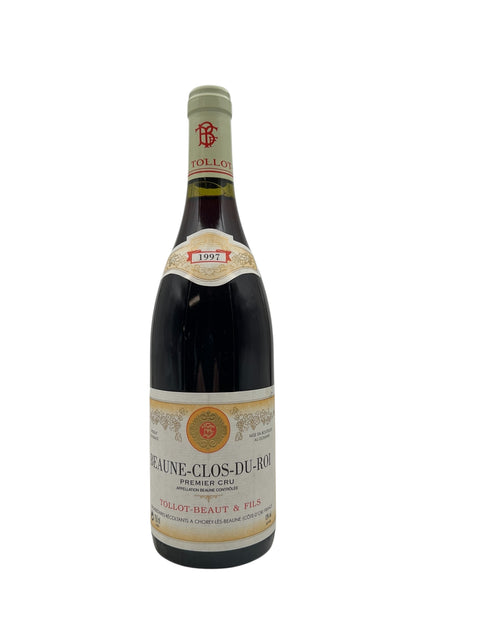
What does the term cru wine mean?
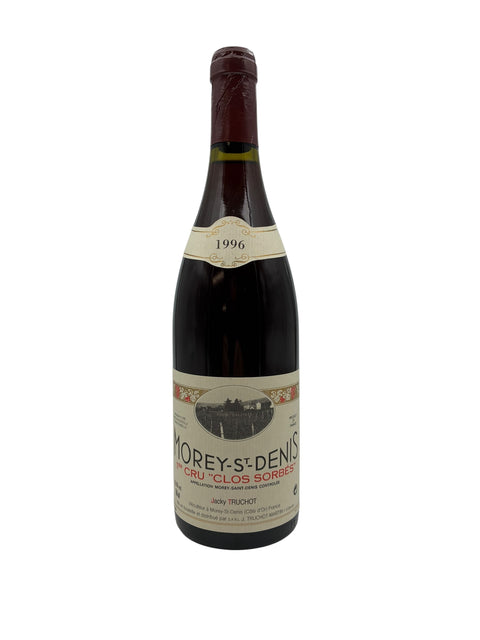
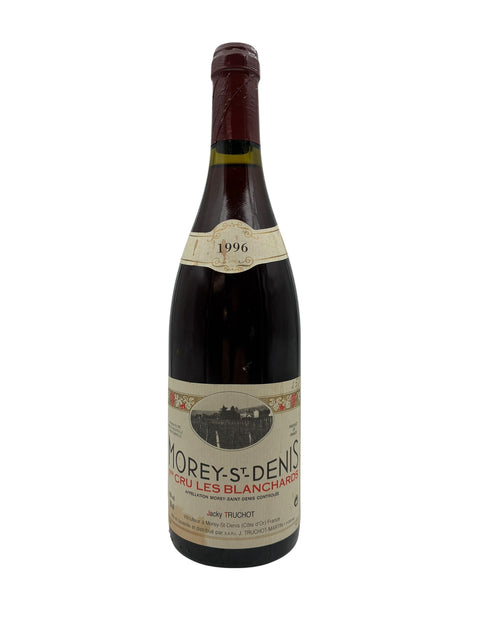
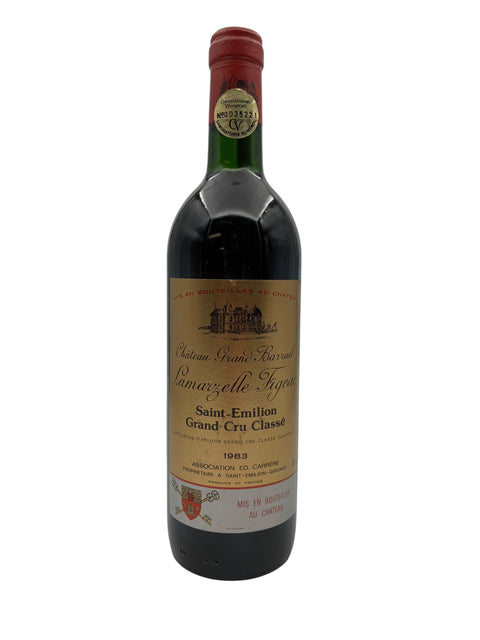
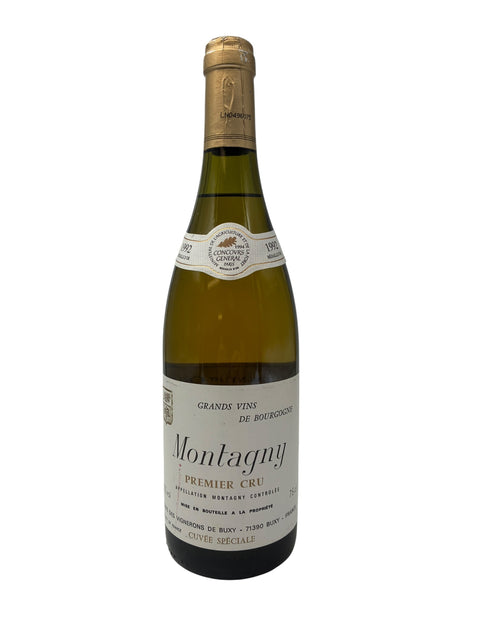
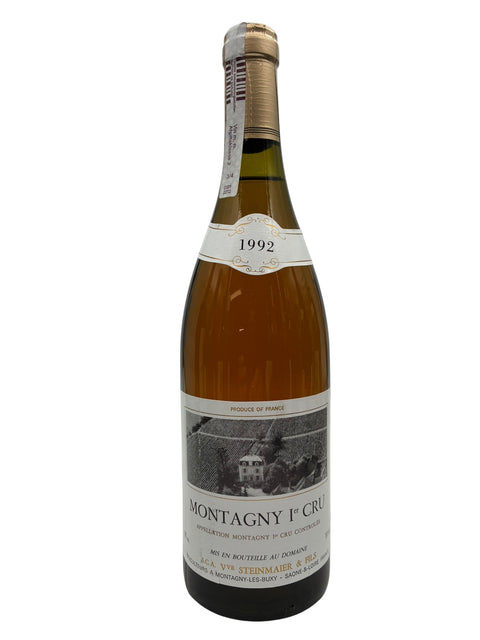
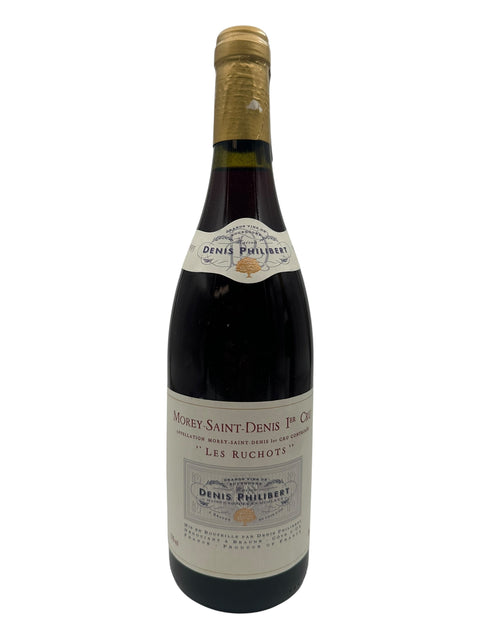
The term cru wine has its roots in the French word for "to grow" and is used in the world of wine to designate areas where the quality of the grapes is recognized as something special. It is very much about terroir - the interaction between soil, climate, sun and location - which gives the wine its unique personality. When a wine carries this title, it tells you that it comes from a place that has historically proven its ability to deliver high quality.
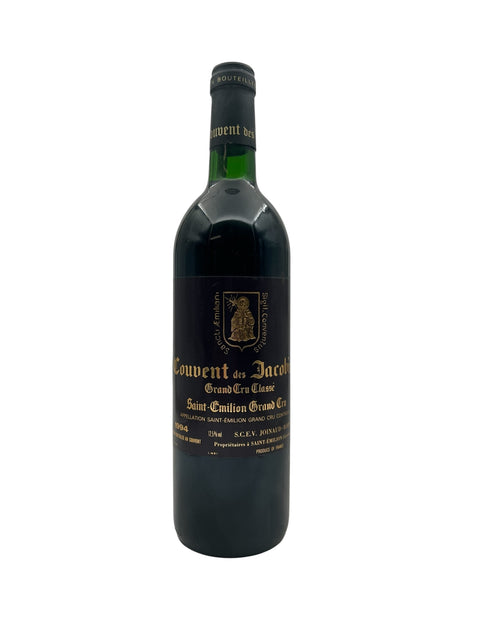
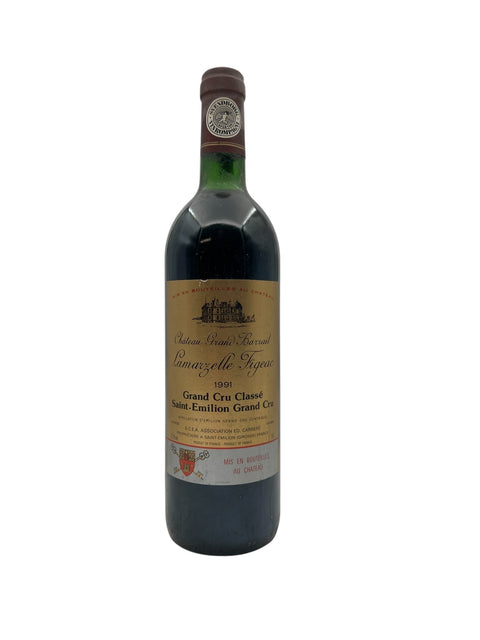
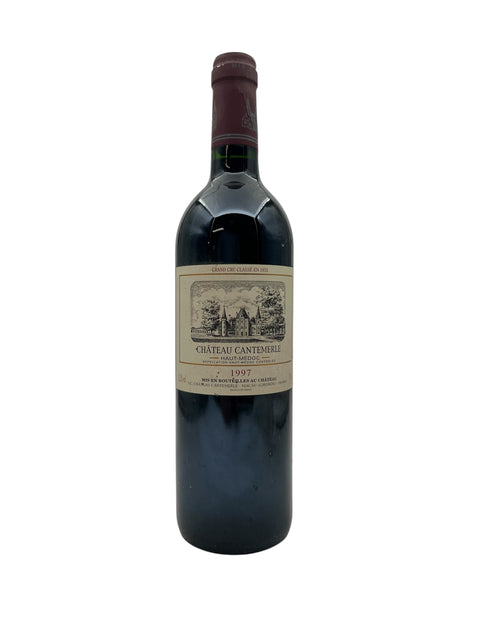
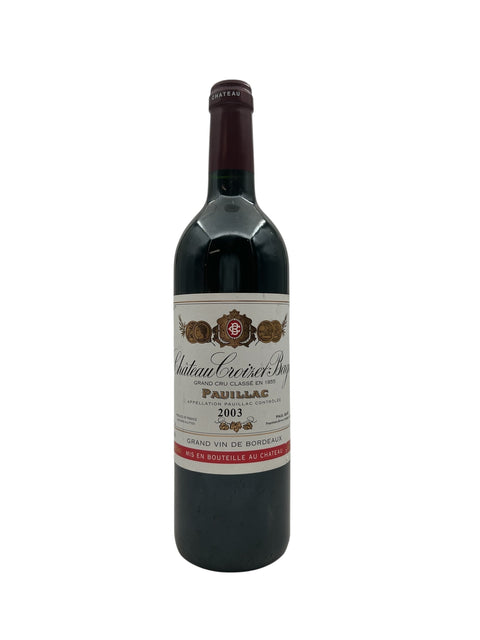
The meaning can change slightly depending on the region. In Burgundy it often refers to specific vineyards or parcels, while in Bordeaux it typically classifies entire wine estates based on their historical reputation. Looking towards Champagne and Alsace it can cover villages or specific fields. Regardless of where the wine comes from, the term serves as a guide to finding a tasting experience where the geographical conditions have created the foundation for something out of the ordinary.
Understanding the hierarchy within cru wine
To navigate the world of fine wines, it’s helpful to know the classifications that divide wines into quality levels. These systems are often based on centuries of experience in identifying which vineyards produce the best grapes. While the rules vary between Burgundy, Bordeaux, and Champagne, you’ll most often come across Premier Cru and Grand Cru when describing a wine’s potential and rarity.
Premier Cru
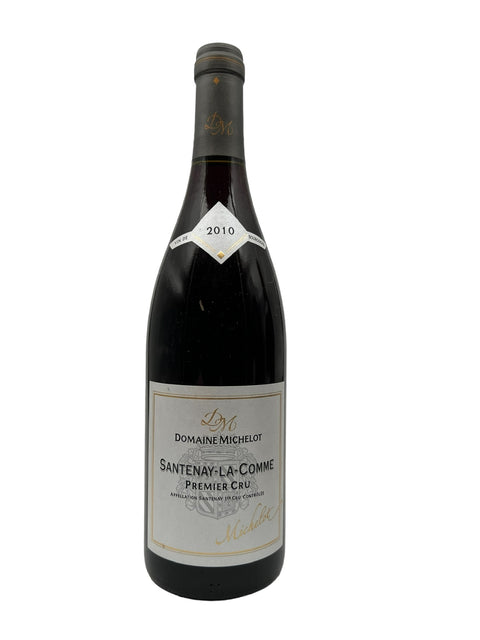
Premier Cru, often abbreviated 1er Cru, is a high level of quality that typically ranks just below the top of the hierarchy. Wines with this designation come from vineyards or villages that are recognized for their excellent terroir. In Burgundy, these vineyards make up a small portion of production and are known to yield wines with more intensity and aging potential than ordinary commune wines.
Historically, the title is given to areas of consistently high quality – on the old Champagne price scales it corresponded to a level of 90-99%. While they do not quite reach the same rarity as the top level, Premier Cru are still exceptional wines where a skilled producer can elevate the experience considerably.
Grand Cru
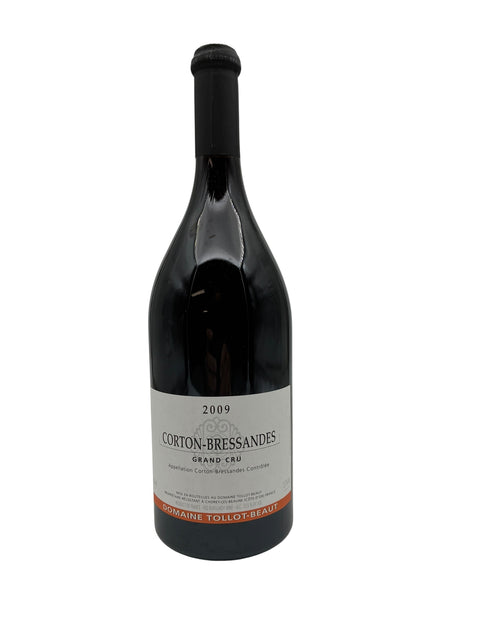
Grand Cru means "great growth" and is the top of the pyramid. The title is reserved for the very best fields or communes where nature provides optimal conditions for winegrowing. In Burgundy and Alsace it is about specific plots with special soil, while in Champagne it covers the villages that have historically supplied grapes at 100% of the quality scale.
Wines with Grand Cru status must meet strict production regulations and come from very limited areas, making them sought after by collectors. They are known for their ability to develop over many years, achieving a depth, structure and complexity rarely found elsewhere.
Benefits of a mature cru wine
When a quality wine is allowed to mature for 20 to 60 years, a series of chemical processes occur in the bottle that transform the original fruit into a deeper and more nuanced experience. At Bottles With History, we focus on these mature vintages, where the wine has shed its youthful aggressiveness in favor of elegance and balance. Below are the benefits of choosing a wine with age.
- Development of tertiary aromas: The fresh fruit is gradually replaced by complex notes such as dried fruit, leather, tobacco, forest floor and mushrooms, giving a richer scent profile.
- Softer tannins: In red wines, the tannic acid will settle over time, making the wine silky smooth and pleasant to drink without the dryness that young wines can have.
- Harmonious balance: Acidity, alcohol and flavor notes integrate better over time, so the wine appears as a unified, rounded unit.
- Unique texture: Mature wines, especially whites, can develop a more creamy or oily mouthfeel, as well as notes of honey and nuts.
- Historical flair: In addition to the taste, an old bottle provides an emotional experience by representing a specific year and a bygone era.
How to choose the right bottle
Choosing the right bottle of historic wine requires looking at more than just the name on the label. The quality of a mature wine is determined by the interplay between natural conditions and human intervention over decades. Here is a guide to the most important parameters you should consider when finding a wine that suits your needs.
- Producer Reputation: The name behind the wine is often more important than the classification itself. A skilled producer can create magic in a lesser-known vineyard, while a weak producer can underperform in a famous vineyard. Check the producer’s historical stability and reputation.
- Importance of vintage: The weather of the harvest year is crucial to the aging potential. Warm years typically produce fuller wines, while cool years can produce higher acidity and elegance. Check if the vintage is known for producing wines that last for many years.
- Terroir and origin: Consider the type of soil and climate you prefer. Wines from limestone can be mineral and tight, while wines from clay soils are often more powerful. The origin defines the basic character of the wine.
- Storage history: For old wines, provenance is crucial. The wine must have been stored cool, dark, and stable to maintain its quality. Be sure to buy from a source that guarantees proper handling over the years.
Safety and delivery at Bottles With History
When buying unique vintage wines, trust and proper handling are essential for a great experience. At Bottles With History, we ensure that all bottles are stored in optimal conditions with the correct temperature and humidity until they are shipped to you. We know that old wines require gentle handling, which is why we always pack your bottles in special packaging that protects against shocks and temperature fluctuations during transport.
We offer same-day delivery, so you can receive your order quickly and safely. Our high customer satisfaction reflects our dedication to both product quality and service. If you have questions about a specific bottle or its condition, we are always ready to provide advice based on our expertise in historical wines.