

Sizzano Riserva Dessilani Luigi & Figlio 1988


We take the quality of our wines very seriously, which is why all wines are reviewed when they arrive at our warehouse.
Quality check
We perform quality checks on all wines, examining the label, cork and seal, as well as the condition of the wine. This way we create the best conditions for the wine to still be good and drinkable.
Authenticity test
We work with skilled and trustworthy suppliers, and we perform authenticity tests on the wines when they arrive at our warehouse. Here we review the seal, label, bottle number and much more, so that we ensure that the wine is genuine.
We take our guide and service very seriously. When you order wine from us, you will receive a QR code with a link to everything you need to know about treating older wines. You can read more right here .
We select the wines based on strict quality requirements.
The wines must be from quality producers, stored according to all the rules of the art, and pass our final quality assurance when the wine arrives at our warehouse.
This ensures that we can offer a unique product where the probability of a unique experience is very good.
Read more about what to expect
Delivery: We ship orders every weekday.
Delivery time and price:
- Denmark: 1-2 days (39-49 DKK)
- Sweden: 2-3 days (150 SEK)
- Finland: 2-3 days (15 EUR)
- Germany: 2-3 days (15 EUR)
- Netherlands: 2-4 days (15 EUR)
- Generally for EU countries: 2-5 days (15-25 EUR)
NOTE: There may be 1-2 days longer delivery time in remote areas.
Returns: You always have a 30-day right of return.
NOTE : All orders from November 15th to December 24th can be returned until January 31st.
Sizzano Riserva Dessilani Luigi & Figlio 1988
The 1988 Sizzano Riserva is a red wine produced by Dessilani Luigi & Figlio. It originates from the Sizzano Denominazione di Origine Controllata, which holds the distinction of being one of the smallest DOC appellations in the Piedmont region of northwestern Italy. Located in Alto Piemonte within the province of Novara, the vineyards are situated along the Sesia river. The Sizzano DOC, established in 1969, is strictly limited to its namesake municipality and is known for an extremely limited production of fewer than 1,000 cases annually.
Piedmont, literally translating to "at the foot of the mountain," is bordered by the Alps and is globally recognized as a highly prestigious wine region. The area is characterized by steep hills often enveloped in thick autumn fog, which protects the vines and facilitates a long, perfect ripening period. In Sizzano, the cool alpine climate is combined with fluvio-glacial soils composed of sand, clay, and moraine stones. This specific terroir is highly valued by the small, passionate, family-run wineries that define the region's focus on how microclimates and soil composition shape the final product.
Following the strict regulations of the appellation, this wine is crafted primarily from Nebbiolo, which is known locally as Spanna and makes up 50 to 70 percent of the blend. It is complemented by 15 to 40 percent Vespolina and up to 25 percent Uva Rara. The production methods for the area require a minimum of 24 months of aging, with at least 18 months spent in wooden barrels. Bottled at 12 percent alcohol by volume, this 1988 Riserva represents a classic example of the traditional winemaking practices from this historic part of Alto Piemonte.
The history of the wine
Below, you can delve into the history of this wine — its producer, grape, area, and region.
Piedmont
Piedmont (which literally means "at the foot of the mountain") is located in northwestern Italy, surrounded by the Alps. It is considered one of the world's absolute most prestigious wine regions. The area is known for small, passionate, family-run wineries and a huge focus on terroir (how the soil and microclimate affect the wine).
Classic characteristics of Piedmont:
The royal wines: This is where the world-famous, complex and expensive red wines Barolo and Barbaresco come from (both made from 100% Nebbiolo).
Everyday heroes: In addition to Nebbiolo, the region is famous for the grapes Barbera (juicy, acidic and incredibly popular) and Dolcetto (dark, soft and fruity).
The white and sweet: Piedmont also makes the crisp white wine Gavi and the famous, lightly sparkling dessert bubbles Moscato d'Asti.
The landscape: Dramatic, steep hills – especially in the Langhe sub-area. The hills are often shrouded in thick morning mist in autumn, which protects the grapes and allows for a long, perfect ripening.
Gastronomy: An absolute mecca for food lovers. The area is world famous for the exclusive white truffles from Alba, hazelnuts and rich, simmered dishes that scream with a glass of local red wine.
When this wine was made, the world looked very different. Here are some of the stories that unfolded while this bottle quietly aged in its cellar.
You are in safe hands

100% authentic bottles
All bottles undergo a thorough authenticity test by our certified sommeliers before being offered for sale. We reject bottles we are unsure about.

Thorough quality check
Cork, capsule, fill level, label condition, and provenance are individually documented for each bottle. A physical certificate is included with every purchase.

60-day return policy
We are confident in the quality of our wines, and you as a buyer should be too. Return any unopened bottle within 60 days for a full refund — no questions asked.

4.7 on Trustpilot
277 customers have shared their experience. From the first email to the bottle arriving safely – we take pride in making a difference from start to finish.
How it handles
you your wine

Storage
Store the bottle horizontally at 12–14°C and avoid direct sunlight, vibrations, and temperature fluctuations.

Opening
Allow the bottle to stand upright for 24–48 hours before opening to allow sediment to settle. Use a professional corkscrew and open carefully.

Enjoyment
Serve at 17–18°C and be patient – there is a great difference in how and how quickly wines open up when they are aerated.
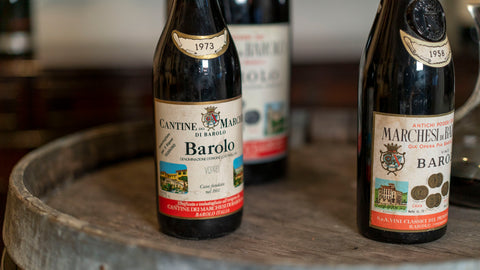
GUIDE TO THE GOOD WINE EXPERIENCE
We will help you throughout the journey. Here you can read our guide on how to treat the wine. If you have any questions, you are always welcome to write or call us.
Our customers say it best!
Based on 247 reviews