
21 products
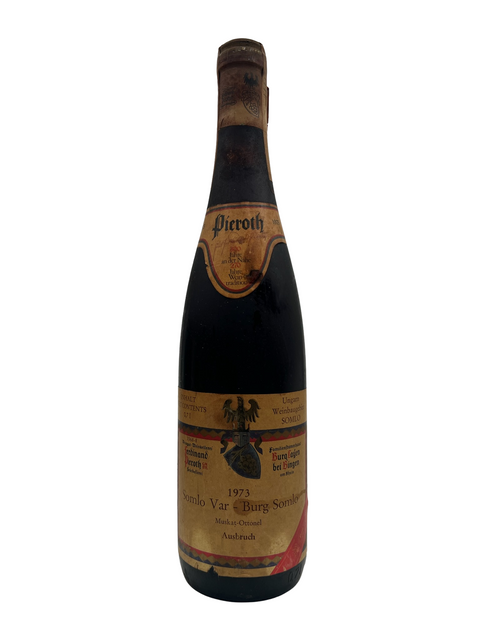

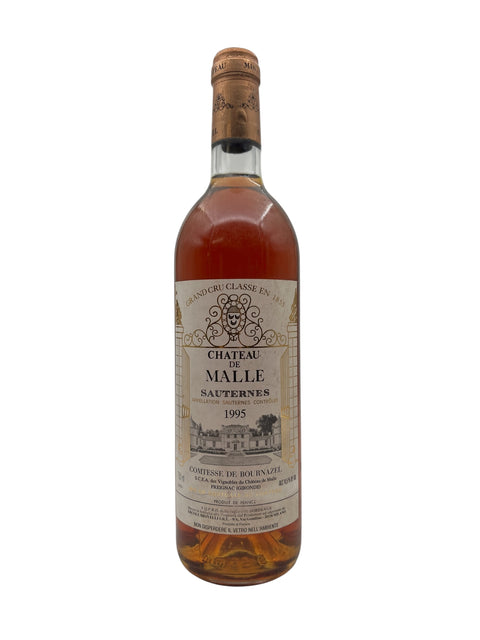


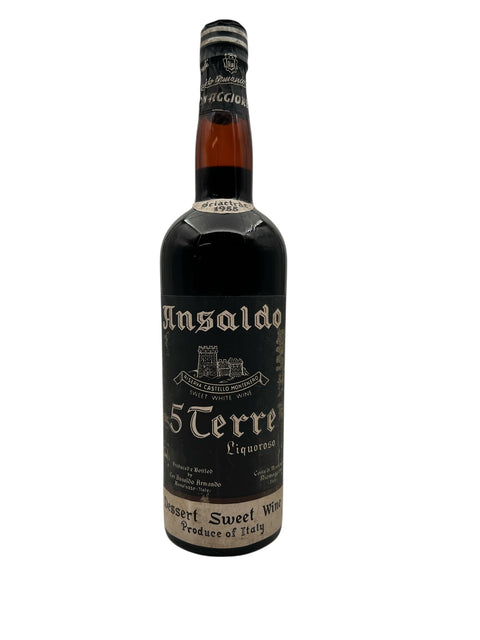
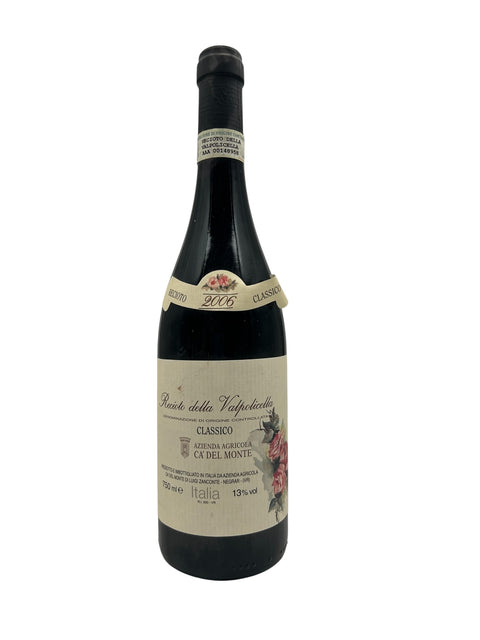
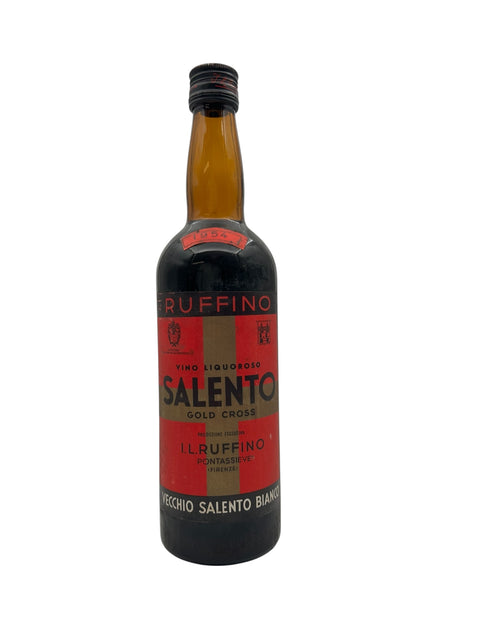
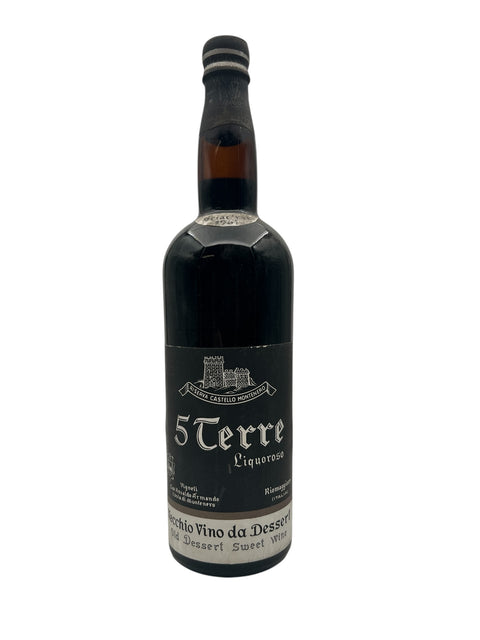
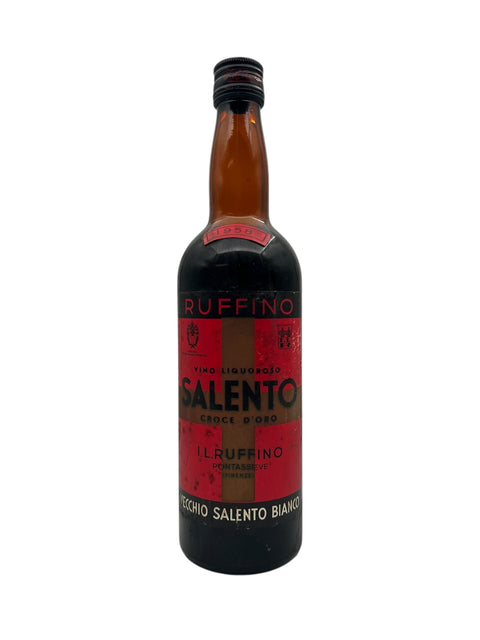

The history of dessert wines: From antiquity to modern times
Dessert wines have played a significant role in European history, both as luxury items and cultural symbols with roots in Egypt, Greece and Rome. Used in ceremonial contexts and as a sign of luxury in the Middle Ages, they were sweetened with honey and used for medicinal purposes. Over time, different regions developed unique styles and techniques to highlight the sweetness of the grapes.
Sauternes in France is known for complex dessert wines made from late-harvested, botrytized grapes, a hallmark of French wine . This process concentrates sugar and flavor, creating the famous Sauternes wines. Tokaj in Hungary offers the balanced Tokaji Aszú, renowned for its flavor complexity. In Germany, the Mosel region is recognized for sweet Riesling wines made from frozen grapes, which adds a unique fruity character.
Port wines from Portugal are characterized by the addition of grape spirit during fermentation to preserve sweetness. These wines signal luxury for special occasions and today reflect centuries of winemaking traditions and craftsmanship.
Optimal serving of dessert wine
Correct serving temperature is crucial for the taste of dessert wine. Sweet, white dessert wines should be chilled to 7-10°C to maintain their freshness. Red dessert wines are recommended to be served at cellar temperature around 13-16°C to highlight their flavor nuances. Wine lovers of fortified wines such as port should serve them at cellar temperature for optimal enjoyment.
The choice of glass is also important: tulip-shaped glasses help concentrate the aroma, which enhances the wine's taste experience. Due to the sugar content of dessert wines, they should be served in small quantities to avoid overwhelming the taste buds.
It is essential that the dessert wine is sweeter than the food it is served with. Proper serving can transform simple desserts into extraordinary taste experiences by creating a harmonious balance between food and wine.
Reveal the truth about dessert wine: Myths and facts
Although dessert wines are often thought of as simply sweet or only suitable for special occasions, Spanish wine displays a complex flavor profile, and the reality is that dessert wines offer many flavor possibilities and can complement both sweet and savory dishes. A common misconception is that dessert wines are strong, but many, like Moscato d'Asti, have a low alcohol content and a slightly bubbly texture.
Furthermore, sweet wines are often considered to be for beginners, but wines like Tokaji and Sauternes surprise with deep complexity. Dessert wines can be enjoyed on their own, and their varied flavor nuances offer a rich experience for both beginners and wine enthusiasts.
Immerse yourself in the world of dessert wines: Popular types and their unique flavor profiles
There are many fascinating dessert wines. Tokaji is known for its balance of sweetness and acidity, with notes of honey and apricot. Sauternes uses late-harvested grapes, which give complex aromas of citrus. Port, nutty and spicy, offers a rich sweetness and flavors of berries and chocolate.
Moscato d'Asti is characterized by its light, bubbly texture and floral sweetness, making the Italian wine a popular choice among dessert wines. Trockenbeerenauslese in Austria and Eiswein in Germany are also notable for their intensely sweet flavors.
Seasonal Favorite: Choose the Right Dessert Wine for Every Occasion
Creating an enriching experience can require the right dessert wine according to the season. In spring, Moscato d'Asti refreshes the palate with fruity desserts. Summer offers icy rosés, perfect for light summer desserts.
In the fall, a port can bring warmth to the dessert table, while a winter serving of Sauternes or Eiswein can elevate a Christmas meal. Knowing which wine suits the season can make any dinner special.
How do I choose the best dessert wine for a party?
When choosing a dessert wine for a party, it’s important to consider both the desserts being served and the preferences of your guests. Dessert wines vary in sweetness and flavor nuances, so think about what will complement your menu. At Bottles With History, you can find a wide selection of vintage dessert wines that have a unique history and are ideal for impressing your guests. Also, remember that quality is a good parameter to go for, especially if price is not the deciding factor.
Which dessert wine goes best with chocolate desserts?
For chocolate desserts, a full-bodied and sweet dessert wine will be the perfect match. Port or a sweet red wine can enhance the complex flavor of chocolate. At Bottles With History you will find unique wines with many years of aging that can add an extra dimension to your dessert experience.
Where can you buy dessert wine in Copenhagen?
You can find a large selection of dessert wines at Bottles With History, both online and in our physical store in Roskilde. We offer same-day delivery, so even if you live in Copenhagen, you can get your wine delivered quickly. Alternatively, you can visit our store to experience the large selection in person.
How does dessert wine taste with different desserts?
Dessert wines have the ability to enhance the flavors of a dessert. A tart dessert can be balanced with a sweet dessert wine, while a fruity dessert can be matched with a wine that has similar fruity notes. At Bottles With History, our experienced staff can help you find the perfect combination.
Can dessert wine be aged, and how does that affect the taste?
Dessert wines can often be aged for many years, which can intensify their flavor profiles. Older dessert wines from Bottles With History that have been carefully stored offer a complexity and depth that can be a unique experience. Aging can add new layers of flavor such as nutty or caramelized notes.