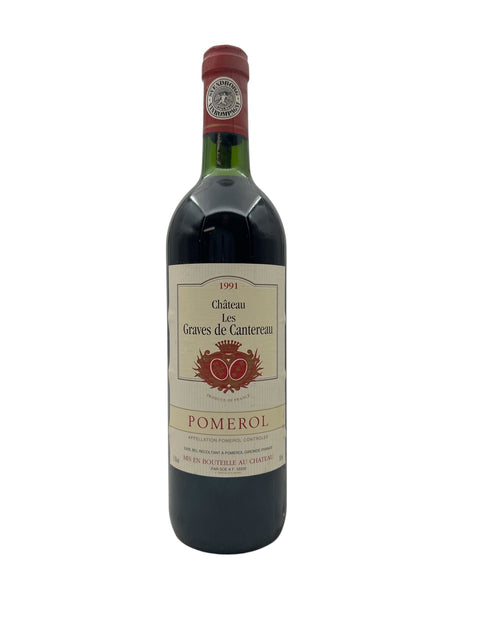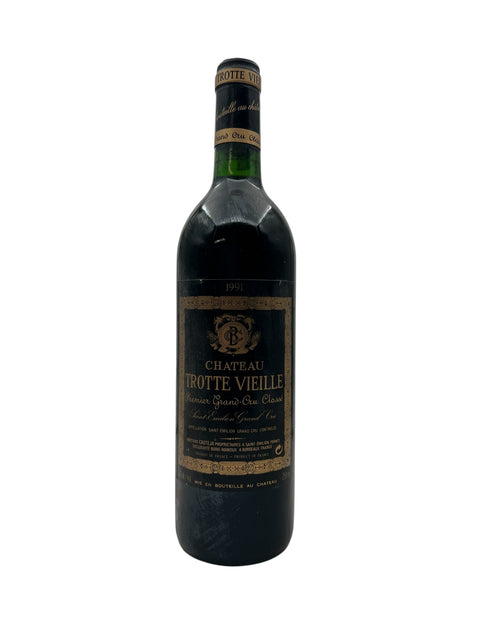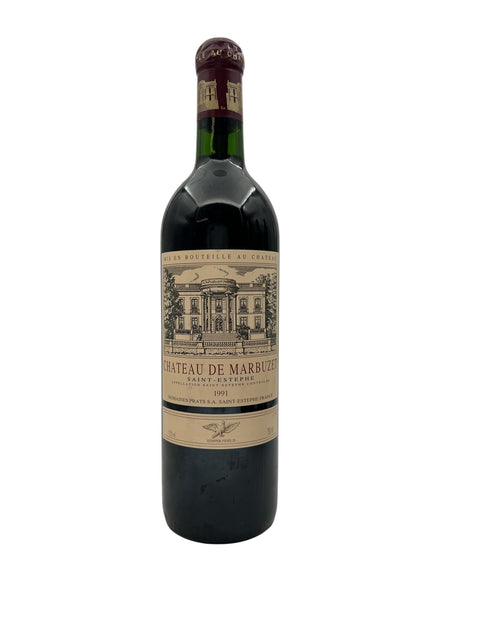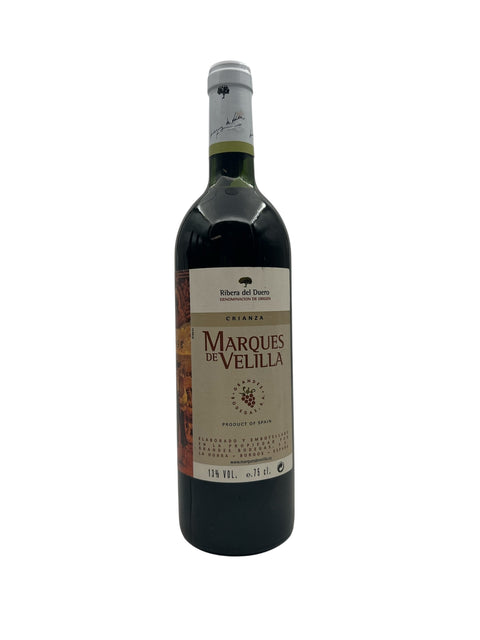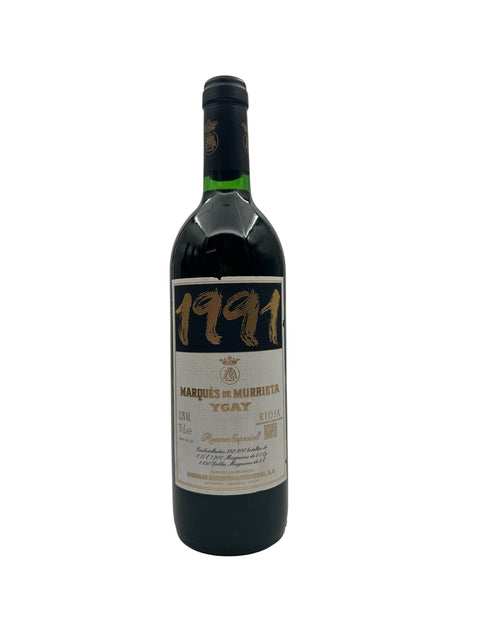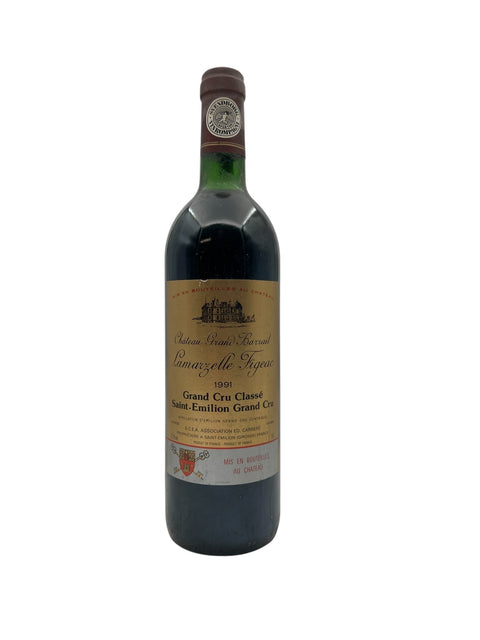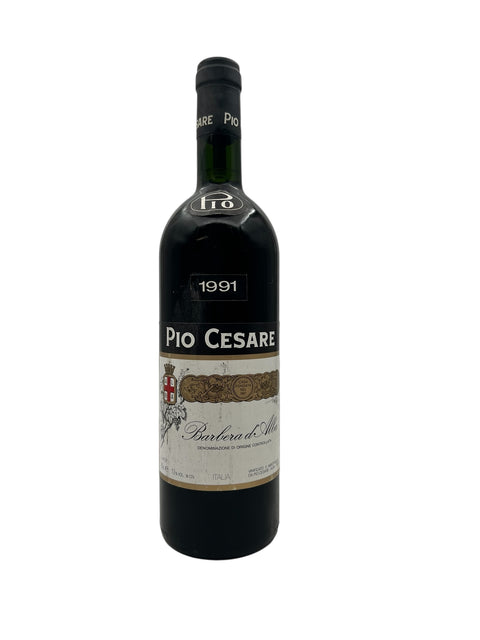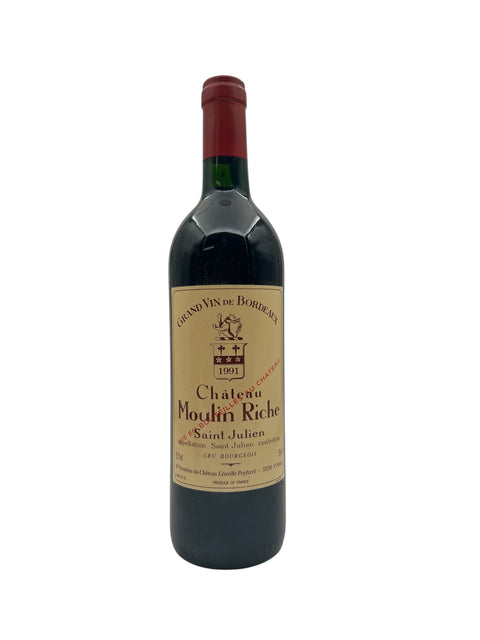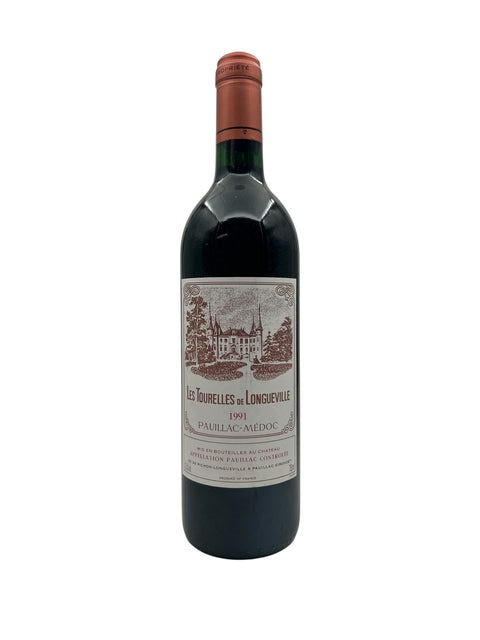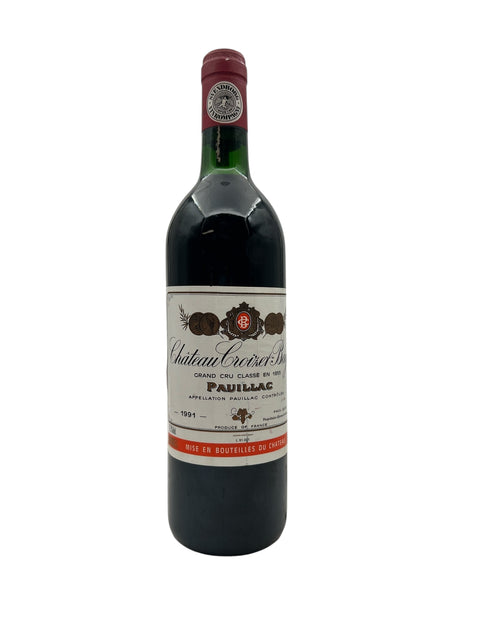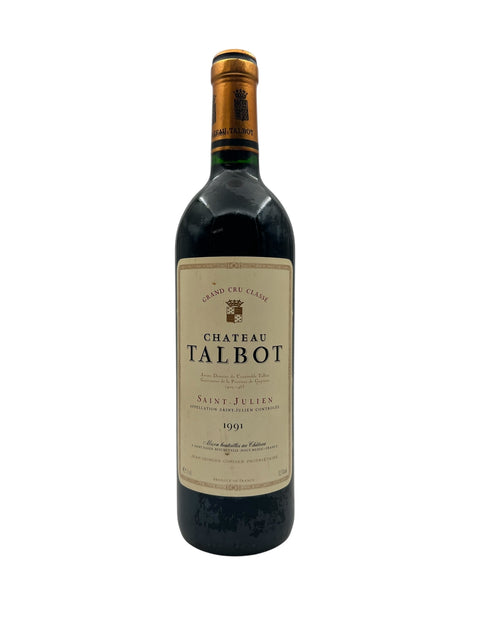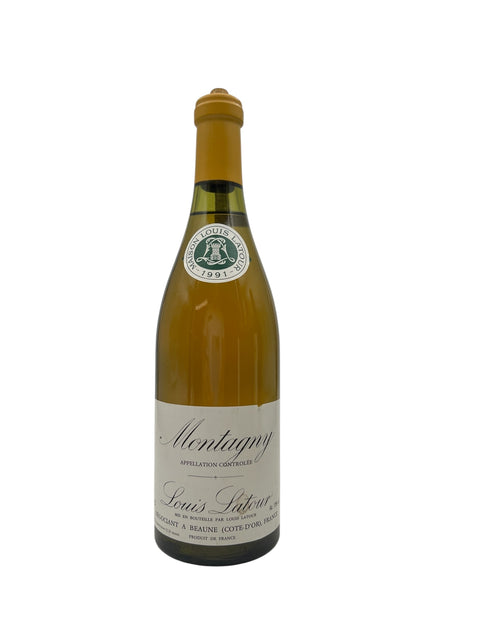
70 products
Mark a 35th anniversary with history
When you open a wine from the year in which the event took place, you add a deeper symbolic meaning to the celebration of a 35th anniversary – also known as a coral wedding. Like a long marriage or the history of a company, the wine has undergone a slow maturation that requires patience and the right circumstances to fully unfold its character. A bottle from this year acts as a time capsule, preserving the climate and craftsmanship of the time, so you can taste the past today.
The enjoyment of a 35-year-old wine is about celebrating the change and durability that time has brought. The wine has moved from its original fruitiness to contain deep, complex nuances that testify to the three and a half decades that have passed. It creates a bridge between the present and the past and forms an evocative framework for the memories marked on this special day.
A gift that will delight whoever receives it
Vintage wine is a gift that transcends gender and traditional categories, as the value lies in the shared experience of taste and history. Whether the recipient is a man, a woman, or a couple celebrating their life together, the joy of an old wine is rooted in curiosity and enjoyment. It is a gesture that invites presence, where the bottle naturally becomes the center of conversation rather than just an object on the gift table.
The special thing about a 35-year-old wine
After 35 years of aging, the wine has undergone a major transformation. The original, fresh fruit notes have given way to deeper and more complex layers, and this slow development creates a wine that requires calm to be understood. The taste experience is often more refined and nuanced than in younger wines.
- The color typically changes visibly; red wines move toward brick or garnet, while white wines take on a deeper glow of gold or amber.
- The scent develops tertiary aromas, which may include notes of leather, dried fruit, cedar, forest floor or tobacco.
- The tannins in red wines have usually become soft and integrated, giving a silky feel in the mouth instead of the dryness known from younger wines.
- Sediment will often have accumulated in the bottle as a natural sign of the wine's age and development over the years.
- The acidity may appear more subdued, contributing to a harmonious and balanced flavor profile that feels round and pleasant.
How to find wine that suits a 35th anniversary gift
Finding the right bottle for 35 years requires understanding which regions and grapes have the potential to develop positively over such a long period of time. Not all wines are made to last three decades, so the choice should fall on classic areas known for productions with great aging value.
- Regions with shelf life: Look for wines from areas like Bordeaux, Piedmont (Barolo) or Napa Valley, as well as Vintage Port, as these types often have the necessary tannin and acid structure to mature beautifully over 35 years.
- Check the condition of the bottle: Pay attention to the visual condition of the bottle, including the level of wine in the bottle (ullage) and the appearance of the cork, as this indicates whether the wine has been stored under stable and correct conditions.
- Seek expertise: Use professional knowledge to assess the quality of the vintage, as the weather conditions in the specific year have a major impact on whether the wine still offers a good experience today.
Optimize the vintage wine experience
A wine that has been waiting 35 years to be enjoyed deserves proper handling to bring out its delicate balance and complex aromas. Proper preparation can make the difference between a good and an unforgettable evening, as old wines are more sensitive to temperature and oxygen than young wines.
Correct tempering and calm
It is recommended to decant the bottle at least 24 to 48 hours before serving. This allows the natural sediment that has accumulated over the years to settle to the bottom, so that the wine appears clear. The temperature should be between 15 and 18 degrees; if it is too warm, the alcohol can dominate and hide the nuances, while serving too cold can cover up the aroma.
Opening old bottles
The cork in a 35 year old wine can be fragile and tender. It is therefore advantageous to use a so-called "Butler's Thief" or a two-pronged corkscrew that grips the cork from the outside rather than drilling into it. Work slowly and carefully to avoid the cork crumbling into the wine, which may necessitate filtering.
Choice of glass and oxygenation
Choose a glass with a large surface, such as a Burgundy glass, so that the wine has room to unfold its aromas. Unlike young wines, an old wine rarely needs to be heavily aerated; it is often enough to pour it carefully, as too much oxygen can cause the delicate flavor notes to fade quickly. Taste the wine immediately after opening to follow its development.